



Finding a feline companion often feels like an impossible task for cat lovers who suffer from persistent sneezing, itchy eyes, and skin irritation. We understand the deep desire to share a home with a cat while simultaneously fearing the inevitable allergic reactions that typically follow a petting session. The term "hypoallergenic cats" is frequently thrown around in pet circles, but it is vital to clarify that no cat breed is one hundred percent allergen-free. Instead, certain Hypoallergenic Cat Breeds are classified as such because they produce significantly lower levels of the Fel d 1 protein, which is the primary trigger for cat allergies found in saliva and skin oils. By focusing on these specific hypoallergenic breeds, we can help allergy sufferers find a biological match that minimizes respiratory distress and maximizes the joy of pet ownership. In this comprehensive guide, we will explore the science of feline allergens and identify the specific hypoallergenic kittens and adults that truly stand out for their low-allergen qualities. We aim to provide you with the clarity needed to make an informed decision for your health and your future pet’s well-being.
The Complex Science of Fel d 1 and Fel d 4 Proteins
To truly grasp which cats are better for those with pet allergies, we must first dispel the myth that cat hair itself is the primary cause of the problem. In reality, the culprit is a microscopic protein known as Fel d 1, which is secreted through a cat's skin and becomes concentrated in their saliva during grooming. When a cat licks its fur, the saliva dries and flakes off into the air as cat dander, which then settles on furniture, carpets, and enters our nasal passages. We have observed that many people mistakenly believe that hairless or non-shedding cats are automatically safe, but even a Sphynx cat produces skin oils that contain allergen proteins. Furthermore, scientists have identified the Fel d 4 protein, produced in the submandibular salivary glands, which can also trigger inflammatory responses in sensitive individuals. Understanding this biological foundation allows us to look past the surface level of fur length and focus on the internal chemistry of the animal's allergic response. By selecting a breed with naturally lower protein production, we significantly shift the odds in favor of a sniffle-free household for any hypoallergenic pet seeker.
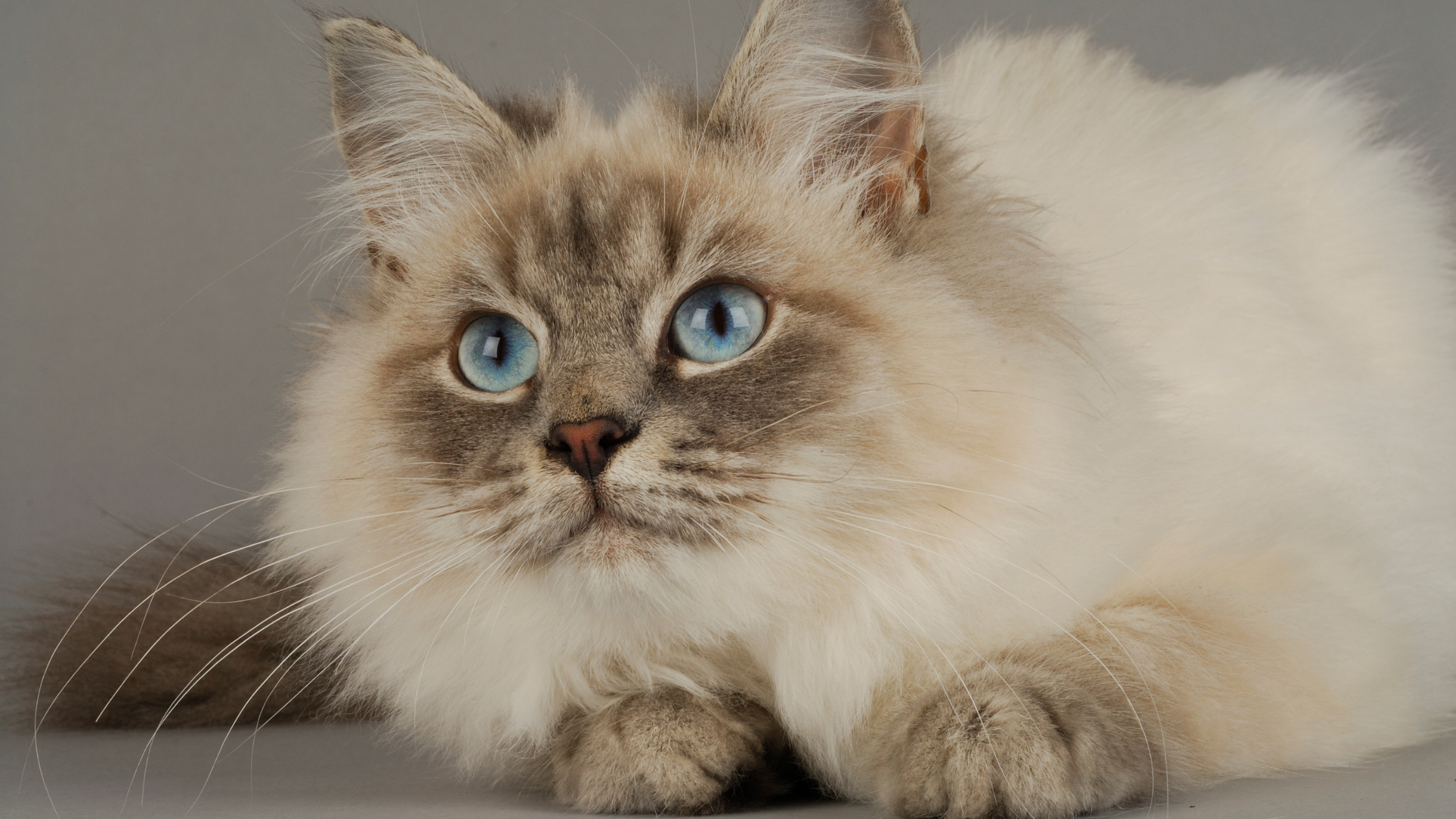
Siberian Cats: Long Hair with Low Allergens
It may seem counterintuitive to suggest a long-haired, fluffy cat for someone with allergy symptoms, but Siberian cats are frequently cited as the gold standard for compatibility. Despite their thick, triple-layered coat, we have found that many Siberians produce exceptionally low levels of the Fel d 1 protein compared to British Shorthairs or other common breeds. This unique genetic trait allows the Siberian to coexist with many people who would otherwise react instantly to a typical domestic longhair. We recommend that potential owners spend time with a breeder registered with The Cat Fanciers' Association to "test" their personal reaction, as protein levels can still vary between individual cats. Beyond their hypoallergenic properties, Siberians are known for their dog-like devotion and high intelligence, often behaving more like certain breeds of dogs than typical felines. They are incredibly social animals that enjoy being involved in every household activity, from cooking to lounging on the sofa. While they are not low-shedding breeds, the specific chemical makeup of their coat makes them a miracle for sensitive immune systems.
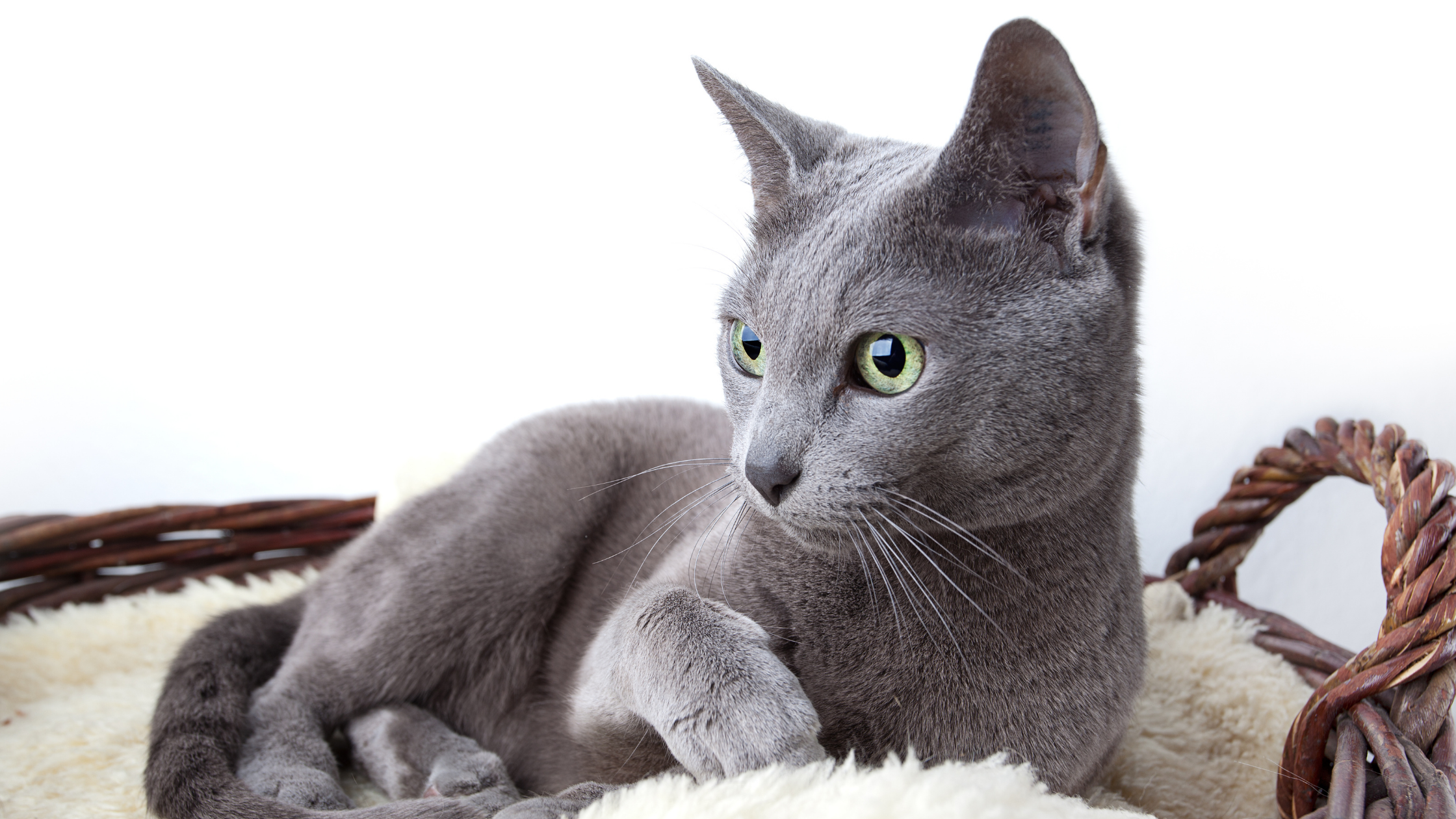
The Elegant Russian Blue and Balinese Breeds
The Russian Blue is another remarkable example of a breed in which a dense, shimmering coat does not necessarily indicate high allergen levels. We frequently highlight Russian Blue cats because their thick double coat actually traps allergens closer to the skin, preventing pet dander from becoming airborne. Similarly, Balinese cats—often called the "long-haired Siamese"—possess a genetic mutation that reduces the production of the offending Fel d 1 protein. Unlike many other long-haired cats, the Balinese has a single-layered coat that lies close to the body, which means there is less fur to trap and distribute dander. We find that Russian Blues and Balinese are excellent choices for those who appreciate a graceful, slender aesthetic but require a lower-allergen environment. They are both highly intelligent breeds that require significant mental stimulation and interactive play to stay happy. Their coats are remarkably silky and require minimal maintenance, simplifying the grooming process and further reducing allergen exposure. By opting for these breeds, we are choosing a companion that balances visual charisma with a biological profile that is gentle on the human lungs.

The Unique Textures of Devon Rex and Cornish Rex
The Devon Rex is instantly recognizable by its large ears and uniquely curly coat that lacks a sturdy guard hair layer, leading to significantly less shedding. We categorize both the Devon and the Cornish Rex as hypoallergenic primarily because their minimalist fur structure results in much less saliva-coated hair being deposited around the home. Because the Cornish Rex has only a soft "down" undercoat, the amount of protein broadcast into the air is drastically reduced. We have noted that these breeds are often compared to hypoallergenic dog breeds because of their minimal impact on the home environment and their highly social, trainable personalities. They are incredibly warm to the touch and often seek out heat sources, such as a self-cleaning litter box or their owner's lap, to maintain body temperature. These cats do not like to be left alone for long periods, preferring to be the center of attention at all times. Their low-shedding nature makes them a top contender for those with mild to moderate allergies who still want a tactile, furry friend. We believe the Rex breeds offer a visual experience as unique as their low-impact, allergen-friendly profile.
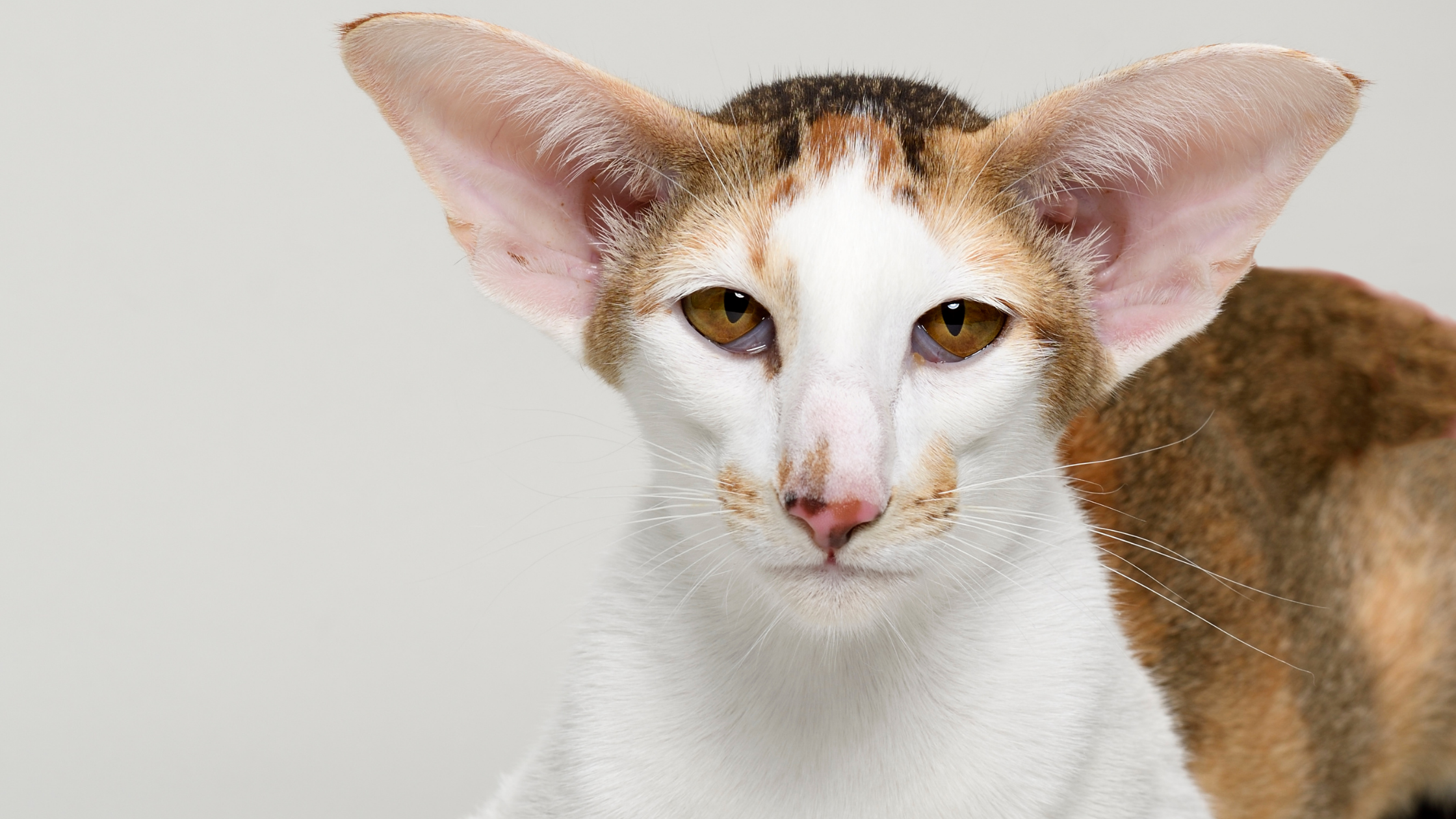
Oriental Shorthair Cats and Their Minimalist Coats
The Oriental Shorthair is a member of the Siamese family and is cherished for its massive variety of colors, often being favored by those who also like Javanese cats. We consider Oriental Shorthair cats to be hypoallergenic because of their extremely fine, short coat, which sheds very infrequently and stays close to the skin. While they may produce standard levels of protein, the sheer lack of shedding means that the protein stays on the cat rather than migrating to your upholstery. We find that these cats are exceptionally loyal and can become very attached to a single person, often following them from room to room like a shadow. Their sleek bodies and large, flared ears give them an elegant appearance that many cat lovers find absolutely captivating. Additionally, Bengal cats are sometimes put in this category due to their unique "pelt" that requires less grooming and therefore carries less dried saliva. Regular wiping with allergen-reducing sprays can further reduce any surface dander, making these short-haired breeds an even safer bet. We view the Oriental Shorthair as the ideal choice for someone who wants a high-fashion look without the constant threat of an itchy nose.

Advanced Strategies for Creating Allergy-Free Zones
While selecting the right breed is the most significant step, we must emphasize that managing pet allergies is a multi-faceted endeavor that requires environmental control. Even with a hypoallergenic cat, we recommend a strict cleaning regimen to prevent cat dander from accumulating in your living spaces. Utilizing high-quality air purifiers and ensuring your HVAC system has strong HEPA filters can effectively capture airborne particles before they are inhaled. We also suggest designated allergy-free zones, such as the bedroom, to provide your immune system with a recovery period during the night. High-frequency vacuuming and regular maintenance of your air filter are essential for removing allergens trapped in floor fibers and ventilation. For those with more severe sensitivities, modern medical advancements like immunotherapy shots or the potential future vaccine for cats (designed to neutralize proteins) offer additional hope. By combining the right breed with robust air filtration and consistent cleaning, we can create a harmonious home where humans and felines thrive together.
