



Indoor cats often enjoy longer lifespans and greater protection from outdoor dangers, but living exclusively inside can sometimes create challenges for their mental and emotional well-being. Many cat owners are surprised to discover that seemingly minor changes in the home can lead to significant stress in cats.
Understanding how to reduce stress in indoor cats is essential for maintaining their overall health, preventing behavioral problems, and ensuring they enjoy a fulfilling life. By recognizing common stress triggers and implementing practical solutions, we can create an environment where indoor cats feel secure, comfortable, and engaged.
Why Indoor Cats Experience Stress
Cats are naturally curious, territorial animals with strong instincts to hunt, explore, climb, and observe their surroundings. While indoor living offers safety, it can sometimes limit opportunities to express these natural behaviors. Stress may develop when cats experience:
- Lack of environmental enrichment
- Sudden changes in routine
- Insufficient playtime
- Competition with other pets
- Loud noises or unfamiliar visitors
- Limited access to hiding places
- Boredom and inactivity
Many indoor only cats encounter unique challenges because they cannot freely explore the outdoors. Over time, these conditions can increase a cat's stress level and negatively affect their quality of life.
When stress becomes chronic, it can negatively affect both physical and emotional health. In some cases, prolonged stress and anxiety may contribute to behavioural changes and even certain health conditions.

Common Signs of Stress in Indoor Cats
Recognizing stress early allows cat owners to address the underlying causes before they become more serious. Some common signs of stress include:
Changes in Appetite
A stressed cat may eat less than usual or, in some cases, overeat as a coping mechanism. Significant appetite loss can occasionally lead to serious conditions such as hepatitis lipidosis if left untreated.
Excessive Grooming
Cats often groom themselves to self-soothe. However, excessive licking can lead to hair loss, skin irritation, and bald patches. Abnormal feline groming behavior may indicate underlying anxiety or other concerns.
Hiding More Frequently
While occasional hiding is normal, prolonged withdrawal may indicate anxiety or discomfort. Every cat should have access to a quiet hiding place where they can retreat when feeling overwhelmed.
Aggression or Irritability
Stress can make cats more reactive, resulting in hissing, swatting, growling, or aggression toward people and other pets.
Litter Box Problems
Stress is one of the leading causes of inappropriate elimination, urine marking, and urine spraying inside the home. Changes in toileting habits often signal that a cat is struggling emotionally or physically.
Understanding feline body language and recognizing body language that shows they are worried can help owners identify stress before it escalates.
Create a Consistent Daily Routine
Cats thrive on predictability. Establishing a regular schedule helps reduce uncertainty and creates a sense of security. Try to maintain consistency with:
- Feeding times
- Play sessions
- Grooming routines
- Household activities
Providing high-quality cat food at regular intervals can also help maintain stability and comfort. When cats know what to expect, they are less likely to experience a heightened stress response.

Provide Plenty of Vertical Space
In the wild, cats often seek elevated positions to observe their surroundings and feel safe. Indoor cats benefit from similar opportunities. Consider adding:
- Cat trees
- cat perches
- Wall-mounted shelves
- Window perches
- Multi-level furniture
Vertical spaces allow cats to monitor their territory, avoid conflicts, and satisfy their climbing instincts.
Encourage Interactive Play
One of the most effective ways to reduce stress in indoor cats is through regular interactive play. Daily play sessions help:
- Burn excess energy
- Prevent boredom
- Mimic natural hunting behaviors
- Strengthen the bond between cats and owners
Popular toys include:
- Feather wands
- Interactive balls
- laser pointers
- Toy mice
- puzzle feeders
- interactive feeders
Regular interactive games provide both mental and physical stimulation, helping reduce cat stress while promoting healthy activity levels. Aim for at least 15 to 20 minutes of active play each day, divided into multiple sessions if possible.

Create Safe Hiding Spots
Even confident cats occasionally need a quiet retreat. Safe hiding places help cats feel secure during stressful situations such as thunderstorms, visitors, or household changes. Suitable hiding areas may include:
- Covered cat beds
- Cardboard boxes
- Cat caves
- Shelves in quiet rooms
Allow cats to access these spaces freely without interruption.
Enrich the Indoor Environment
Environmental enrichment keeps indoor cats mentally stimulated and reduces the likelihood of stress-related behaviors. Simple enrichment ideas include:
Window Viewing Stations
Many cats enjoy watching birds, squirrels, and outdoor activity. A comfortable perch near a window can provide hours of entertainment. Some cats may become interested in a neighbourhood cat visiting outside, making visual enrichment especially valuable.
Rotating Toys
Introducing different toys periodically helps maintain novelty and prevents boredom.
Food Puzzles
Puzzle feeders encourage problem-solving and replicate the challenge of hunting for food.
Sensory Stimulation
Cat-safe plants, scratching surfaces, and new textures can provide additional opportunities for exploration.

Maintain Proper Litter Box Management
Litter box issues are a common source of stress for indoor cats. Follow these best practices:
- Provide one litter box per cat plus one extra
- Clean litter boxes daily
- Consider multiple litter trays in multi-cat homes
- Place boxes in quiet locations
- Avoid sudden changes in litter type
A clean kitty litter tray helps cats feel more comfortable and secure while reducing the likelihood of litter box accidents.
Reduce Household Stressors
Many environmental factors can contribute to feline anxiety. Common stressors include:
Loud Noises
Vacuum cleaners, construction work, and loud music can overwhelm sensitive cats. Offering quiet retreat areas can help them cope.
Frequent Changes
Events such as moving house, introducing new pets, or adjusting family routines can create life stressors that increase anxiety.
New Environments
Cats often require time to adapt to new environments. Gradual introductions and patience can ease the transition.
Overcrowding
Cats value personal space. A multi-cat household should provide sufficient resources, including food stations, beds, resting areas, and multiple litter boxes to minimize inter-cat conflict.

Support Natural Scratching Behavior
Scratching is a normal and necessary feline behavior. It helps cats maintain their claws, stretch their muscles, and mark territory. Providing multiple scratching posts and cat scratching posts can significantly reduce frustration and stress. Options include:
- Vertical scratching posts
- Horizontal scratchers
- Cardboard scratching pads
- Sisal-covered posts
Position scratching areas near favorite resting spots and high-traffic areas.
Consider Calming Aids When Necessary
For some cats, environmental improvements alone may not completely eliminate stress. Additional support may include:
- A pheromone diffuser
- Products containing a synthetic analogue of the feline facial pheromone
- calming collars
- anti-anxiety supplements
- Veterinary guidance
These tools may be useful during stressful events such as travel, home renovations, or introducing new animals.
When to Seek Veterinary Advice
Occasionally, what appears to be stress may actually be related to underlying medical issues. Conditions that can mimic anxiety-related behaviors include:
- feline idiopathic cystitis
- feline interstitial cystitis
- stress cystitis
- thyroid disorders
- Certain neurological disorders
Persistent symptoms should be evaluated by a veterinarian or experienced veterinary team. In severe cases, medication therapy may be recommended alongside environmental modifications.
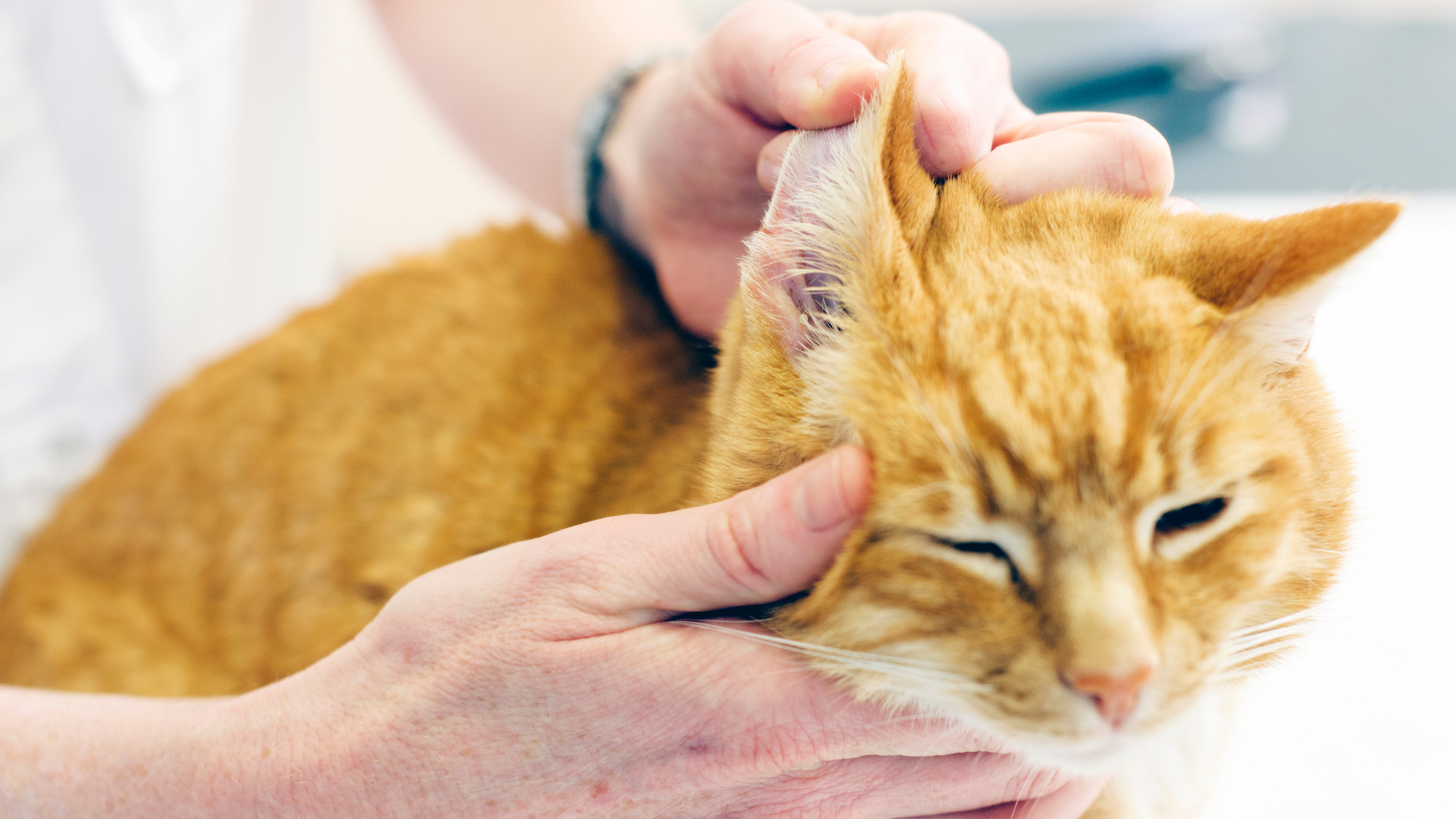
Strengthen Your Bond Through Positive Interaction
Cats often feel safest when they have a trusting relationship with their caregivers. Positive interactions include:
- Gentle petting
- Interactive play
- Consistent routines
- Respecting personal boundaries
Understanding cat communication and feline animal behaviour allows owners to better interpret their pets' needs and emotions. Avoid punishment, as it can increase fear and anxiety. Instead, reward desirable behaviors and create positive experiences throughout the day.
Conclusion
Understanding how to reduce stress in indoor cats involves more than simply providing food and shelter. Cats require mental stimulation, physical activity, predictable routines, and safe spaces to thrive. By creating an enriched environment that supports their natural instincts, we can help prevent behavioural problems, reduce chronic stress, and improve their overall quality of life.
A relaxed indoor cat is typically healthier, more affectionate, and more confident. With thoughtful adjustments, proper environmental enrichment, and support from a veterinarian or cat behaviourist when needed, we can ensure our feline friends enjoy a comfortable, secure, and fulfilling life indoors.
