



Cats are often admired for their agility, independence, and graceful movements, but not all felines fit the stereotype of being small and lightweight. Some domestic cats grow to impressive sizes, rivaling small dogs in both weight and length while maintaining the affectionate personalities that make cats such beloved companions. The largest domestic cat breeds in the world are known for their striking appearance, playful nature, and gentle temperament, making them excellent pets for families and experienced cat owners alike.
Among the many cat breeds recognized worldwide, only a select few are considered true large cat breeds. Whether you are considering adopting one of these impressive big house cats or are simply fascinated by their remarkable size, understanding their unique characteristics can help you appreciate what makes each breed truly special.
What Makes a Domestic Cat Breed Large?
A cat's size is determined by more than just its weight. Breed standards also consider body length, bone structure, muscular build, and overall proportions. Many of the world's largest domestic cats continue growing for several years, reaching full maturity between three and five years of age.
Large cat breeds typically weigh between 15 and 25 pounds (7–11 kg), although some exceptional individuals may exceed 30 pounds while remaining healthy. Despite their impressive size, responsible selective breeding focuses on maintaining balanced proportions rather than simply producing heavier cats. Genetics also play an important role, as cat genes largely determine body structure, growth rate, and coat characteristics.

1. Maine Coon
The maine coon consistently ranks among the largest domestic cat breeds in the world and is often considered the king of giant house cats. Originally developed in the northeastern United States, the maine coon is famous for its massive frame, distinctive lynx ear tips, snowshoe-like big feet, long bushy tail, and thick water-resistant coat. Its impressive appearance has even inspired comparisons to a friendly furry monster, although its personality is anything but intimidating.
Average size:
- Weight: 13–18 pounds (6–8 kg) for females
- Weight: 18–25 pounds (8–11 kg) for males
- Length: Up to 40 inches (over 100 cm), including the tail
Beyond their size, Maine Coons are affectionate, intelligent, and highly social. Their gentle personalities have earned them the nickname "gentle giants," making them ideal companions for families with children and other pets.
The breed has gained international recognition through numerous cat show competitions and even connections with the Maine State Legislature, which officially recognizes the Maine Coon as the state's official cat.

2. Savannah Cat
The Savannah cat is one of the tallest domestic cat breeds. Developed by crossing a domestic cat with an African serval, this breed combines an exotic appearance with remarkable athletic ability. Many people are fascinated by savannah cats because of their resemblance to a pet leopard. The early-generation hybrid savannah cat displays exceptionally long legs, large ears, and striking spotted coats that resemble those of its wild ancestors.
Average size:
- Weight: 12–25 pounds (5.5–11 kg)
- Height: Up to 17 inches (43 cm)
These cats are energetic and intelligent, and require significant mental stimulation. Their active lifestyle makes them best suited for experienced owners who can provide enrichment, climbing opportunities, and plenty of room to explore.

3. Norwegian Forest Cat
The Norwegian forest cat developed naturally in Scandinavia, where its thick double coat helped it survive harsh winters. This breed features a muscular body, powerful legs, and luxurious fur, placing it among the most admired long-haired breeds. Their remarkable climbing abilities reflect centuries of natural adaptation to rugged forest environments.
Average size:
- Weight: 12–20 pounds (5.5–9 kg)
Norwegian Forest Cats are calm, independent, and affectionate without being overly demanding. They enjoy climbing and benefit from tall cat trees that satisfy their natural instincts.

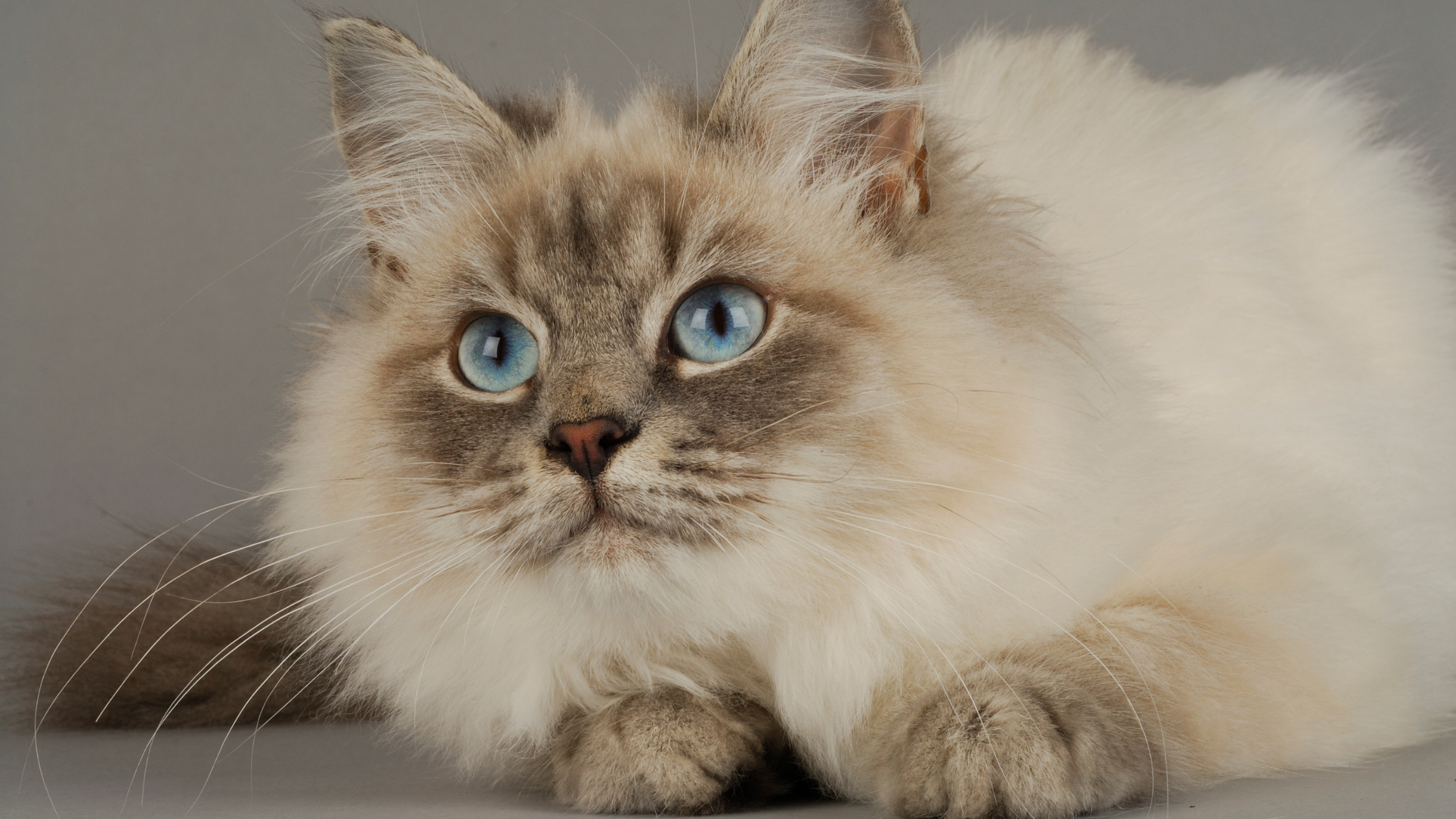
4. Ragdoll
The Ragdoll is famous not only for its large size but also for its exceptionally relaxed temperament. When picked up, many Ragdolls become noticeably limp, inspiring the breed's name.
Average size:
- Weight: 10–20 pounds (4.5–9 kg)
Their striking blue eyes, silky coat, and affectionate personality make them one of the most popular large cat breeds worldwide. They thrive as loyal feline companions for families seeking a calm, gentle pet.
5. Siberian Cat
Originating from Russia, the Siberian cat combines strength, agility, and intelligence. Its dense, triple-layer coat protects it from freezing temperatures while enhancing its impressive appearance.
Average size:
- Weight: 10–20 pounds (4.5–9 kg)
Siberians are playful, loyal, and highly adaptable, making them excellent companions for active households. Their natural playful energy means they enjoy climbing, exploring, and engaging with family members.

6. British Shorthair
The British Shorthair may not be the tallest giant cat, but it possesses an exceptionally sturdy, muscular build. Its broad chest, rounded face, and dense coat create a powerful appearance.
Average size:
- Weight: 9–18 pounds (4–8 kg)
British Shorthairs are calm, easygoing, and relatively low-maintenance, making them ideal for apartment living. Together with breeds such as the Scottish Fold and Turkish Van, they demonstrate the incredible diversity found among large domesticated felines.

7. Chausie
The Chausie descends from crosses between domestic cats and jungle cats. Its athletic build, long legs, and elegant appearance make it one of the most distinctive big cat breeds.
Average size:
- Weight: 15–25 pounds (7–11 kg)
Chausies are intelligent, energetic, and thrive in homes where they receive regular exercise, interactive play, and plenty of environmental enrichment.
Caring for Large Domestic Cat Breeds
Owning one of the world's largest domesticated cats comes with responsibilities beyond those associated with smaller breeds. Large cats generally benefit from:
- Spacious living environments
- Extra-large litter boxes
- Durable scratching posts
- Tall cat trees
- High-quality, protein-rich diets
- Regular vet checkups
- Daily interactive play
- Interactive toys, puzzle feeders, and treat-dispensing toys
- Comfortable supportive beds
Providing sufficient climbing space helps satisfy their natural instincts while reducing boredom.
Maintaining a healthy weight is especially important. Excessive weight gain can place unnecessary stress on joints, increasing the likelihood of mobility problems as cats age.

Health Considerations for Giant Cats
Many large breeds are generally healthy, but owners should be aware of certain breed-specific health concerns. For example, the Maine Coon has a higher risk of hypertrophic cardiomyopathy, while some large breeds may be more susceptible to hip dysplasia, joint issues, or spine and hip issues. Regular veterinary care allows early detection and treatment of these conditions.
Maintaining a balanced diet, monitoring joint health, and discussing appropriate joint supplements with your veterinarian can help support long-term mobility and overall wellness. Organizations such as the Orthopaedic Foundation for Animals have contributed valuable research regarding inherited orthopedic conditions in companion animals.
Interesting Facts About the World's Largest Cats
Several giant cats have earned worldwide fame. One of the most remarkable examples is Arcturus Aldebaran Powers, a Maine Coon that earned recognition from Guinness World Records for its extraordinary length.
The remarkable size of some Maine Coons often surprises visitors. Their sturdy frames have even been humorously compared to carrying lightweight bowling balls, although healthy cats should always maintain appropriate body condition rather than excessive weight.

Choosing the Right Large Cat Breed
Before adopting a large cat, consider factors such as your available living space, activity level, grooming commitment, and budget. Some breeds, like the Savannah and Chausie, require experienced owners because of their high energy levels, while others, such as the Ragdoll and British Shorthair, adapt more easily to quieter households.
Purchasing quality cat supplies, selecting appropriate nutrition from trusted brands such as Royal Canin when recommended by your veterinarian, and providing consistent enrichment all contribute to a healthy and rewarding life. Matching a breed's temperament with your lifestyle helps ensure a happy relationship for both you and your feline companion.
Final Thoughts
The largest domestic cat breeds in the world prove that bigger can indeed be better. From the majestic maine coon to the athletic Savannah cats and the affectionate Ragdoll, these impressive felines combine remarkable size with loyal, loving personalities.
Choosing one of these gentle giants means welcoming a companion that offers not only a commanding presence but also years of friendship, curiosity, and affection. With proper nutrition, regular veterinary care, environmental enrichment, and plenty of love, these magnificent cats can thrive as cherished family members while showcasing the extraordinary diversity of domestic felines.
